
How do you ensure traceability in Pc board assembly?
traceability in Pc board assembly
In the intricate world of PC board assembly, where precision and reliability are paramount, ensuring traceability is essential for maintaining quality control, complying with regulatory requirements, and enabling effective problem-solving and process improvement. Traceability refers to the ability to track and trace the history, location, and status of individual components, materials, and assemblies throughout the manufacturing process. In this article, we explore strategies and techniques for ensuring traceability in PC board assembly and its significance in enhancing quality assurance and product reliability.
One of the fundamental aspects of ensuring traceability in pc board assembly is the implementation of robust identification and labeling systems for components, materials, and assemblies. Each component and material used in the assembly process should be uniquely identified with labels or markings that contain relevant information, such as part numbers, batch numbers, date codes, and supplier information. Similarly, assembled PCBs should be labeled with unique identifiers, such as serial numbers or barcodes, to facilitate tracking and tracing throughout the manufacturing and supply chain.
Furthermore, establishing a comprehensive data capture and recording system is essential for documenting and storing information related to the assembly process. Manufacturers utilize electronic data capture systems, such as manufacturing execution systems (MES) or enterprise resource planning (ERP) software, to record and track key data points, including component information, assembly parameters, process parameters, and inspection results. This data is stored in a centralized database and can be accessed and analyzed in real-time to ensure compliance with quality standards and regulatory requirements.
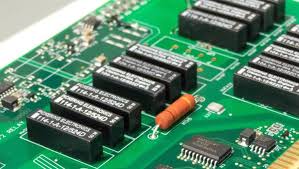
How do you ensure traceability in Pc board assembly?
Implementing automated data collection and monitoring systems, such as barcode scanners, RFID readers, and vision inspection systems, enables manufacturers to capture and record data accurately and efficiently throughout the assembly process. These systems automatically collect data from labeled components, materials, and assemblies as they move through the production line, minimizing the risk of human error and ensuring data integrity and accuracy. Additionally, integrating data collection systems with production equipment and machinery enables real-time monitoring and control of key process parameters, allowing manufacturers to identify and address issues promptly.
In addition to capturing and recording data, establishing clear and standardized procedures for documenting assembly processes and changes is essential for ensuring traceability. Manufacturers should maintain detailed records of assembly instructions, work orders, bills of materials (BOMs), and engineering change orders (ECOs) to track changes, revisions, and deviations from standard procedures. By documenting every step of the assembly process, manufacturers can identify potential sources of errors or defects and implement corrective actions to prevent recurrence.
Moreover, implementing a robust serialization system for PCBs and components enables manufacturers to track individual units throughout their lifecycle, from production to end-of-life disposal. Each PCB and component is assigned a unique serial number or identifier, which is recorded and tracked throughout the assembly process, as well as during distribution, installation, and maintenance. Serialization facilitates accurate tracking of products and components, enables quick identification of defective or recalled units, and ensures compliance with regulatory requirements, such as product traceability and recall management.
Furthermore, establishing clear communication and collaboration channels with suppliers, subcontractors, and customers is essential for ensuring end-to-end traceability in PC board assembly. Manufacturers should work closely with suppliers to obtain complete and accurate documentation for components and materials, including certificates of conformance, material safety data sheets (MSDS), and test reports. Similarly, manufacturers should provide customers with access to traceability data and documentation to support warranty claims, product recalls, and regulatory compliance efforts.
In conclusion, ensuring traceability in PC board assembly requires a comprehensive approach that encompasses identification, data capture, documentation, serialization, and collaboration with stakeholders. By implementing robust traceability systems and processes, manufacturers can enhance quality control, improve regulatory compliance, and facilitate effective problem-solving and process improvement initiatives. Traceability not only enables manufacturers to meet customer requirements and regulatory standards but also enhances their ability to deliver high-quality, reliable products to the market.