
How does Rigid flex pcb supplier differ from PCB fabrication?
Rigid flex pcb supplier differ from PCB fabrication
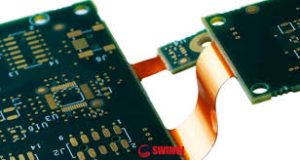
Rigid-Flex PCB suppliers and traditional PCB fabrication processes share the common goal of producing high-quality printed circuit boards for various electronic applications. However, the approaches, techniques, and complexities involved in each process differ significantly due to the distinct nature of Rigid-Flex PCBs. Understanding these differences is crucial for appreciating the unique challenges and advantages associated with Rigid-Flex PCB production.
The design phase for Rigid-Flex PCBs is inherently more complex than that for traditional rigid PCBs. Rigid-Flex PCBs combine rigid and flexible layers, requiring intricate design considerations to ensure that the flexible parts can bend without damaging the circuit. This involves careful planning of layer stack-ups, trace routing, and component placement to maintain mechanical integrity and electrical performance. In contrast, traditional PCB design is typically more straightforward, focusing solely on rigid layers without the added complexity of flexible sections.
Material selection is another area where rigid flex pcb supplier differ significantly from traditional PCB fabricators. Rigid-Flex PCBs use a combination of rigid materials like FR-4 and flexible materials such as polyimide. These materials must be compatible in terms of thermal expansion, adhesion properties, and mechanical flexibility. Traditional PCBs primarily use FR-4 or other rigid materials, simplifying the material selection process. The need to balance the properties of both rigid and flexible materials in Rigid-Flex PCBs adds an extra layer of complexity to the supplier’s responsibilities.
How does Rigid flex pcb supplier differ from PCB fabrication?
The manufacturing processes for Rigid-Flex PCBs are more intricate and demanding than those for traditional rigid PCBs. Rigid-Flex PCBs require multiple lamination cycles to bond the rigid and flexible layers together. This process must be carefully controlled to ensure proper adhesion without causing defects such as delamination. Additionally, the drilling and plating processes for Rigid-Flex PCBs must accommodate both rigid and flexible sections, requiring specialized equipment and techniques. Traditional PCB fabrication involves more standardized processes with fewer complexities related to material compatibility and multi-layer bonding.
Testing and quality control are critical in both Rigid-Flex and traditional PCB fabrication, but the methods and focus areas can differ. Rigid-Flex PCBs require rigorous testing to ensure that the flexible sections can withstand repeated bending and flexing without failure. This includes mechanical stress tests, thermal cycling, and dynamic flexing tests. Traditional PCBs, while still subject to comprehensive electrical and environmental testing, do not require the same level of mechanical flexibility testing. The additional testing requirements for Rigid-Flex PCBs add to the complexity and cost of the manufacturing process.
Component assembly for Rigid-Flex PCBs presents unique challenges not encountered in traditional PCB assembly. The flexible sections of the board must be handled carefully to avoid damage during the assembly process. This may involve using specialized fixtures and tools to support the flexible parts while components are soldered in place. In contrast, traditional PCB assembly is generally more straightforward, with less risk of damaging the board during component placement and soldering.
Rigid-Flex PCBs are often used in applications where space constraints, weight reduction, and mechanical flexibility are critical. This includes aerospace, medical devices, wearable technology, and high-performance consumer electronics. These applications demand high reliability and robust performance under dynamic conditions. Traditional rigid PCBs are used in a broader range of applications, including computers, telecommunications, automotive electronics, and industrial equipment, where mechanical flexibility is not a primary concern.
The cost and production volume for Rigid-Flex PCBs are typically higher than for traditional rigid PCBs. The increased complexity in design, material selection, manufacturing, and testing contributes to higher production costs. Additionally, Rigid-Flex PCBs are often produced in smaller volumes for specialized applications, whereas traditional PCBs can be produced in large quantities for mass-market products. This difference in production volume and cost structure affects the supplier’s business model and customer relationships.
In conclusion, Rigid-Flex PCB suppliers operate in a more complex and specialized domain compared to traditional PCB fabricators. The unique challenges associated with designing, manufacturing, testing, and assembling Rigid-Flex PCBs require advanced expertise and specialized equipment. While both types of suppliers aim to deliver high-quality PCBs, the distinct requirements and applications of Rigid-Flex PCBs set them apart, highlighting the specialized nature of this segment of the electronics industry.