
Trump To Shut Down The Federal Education Department? What We Know
Last Updated:
Trump has also expressed concern over what he calls Marxist philosophy being taught in schools and wants universities to embrace patriotic values.
Important decisions about education are made by the US Ministry of Education.
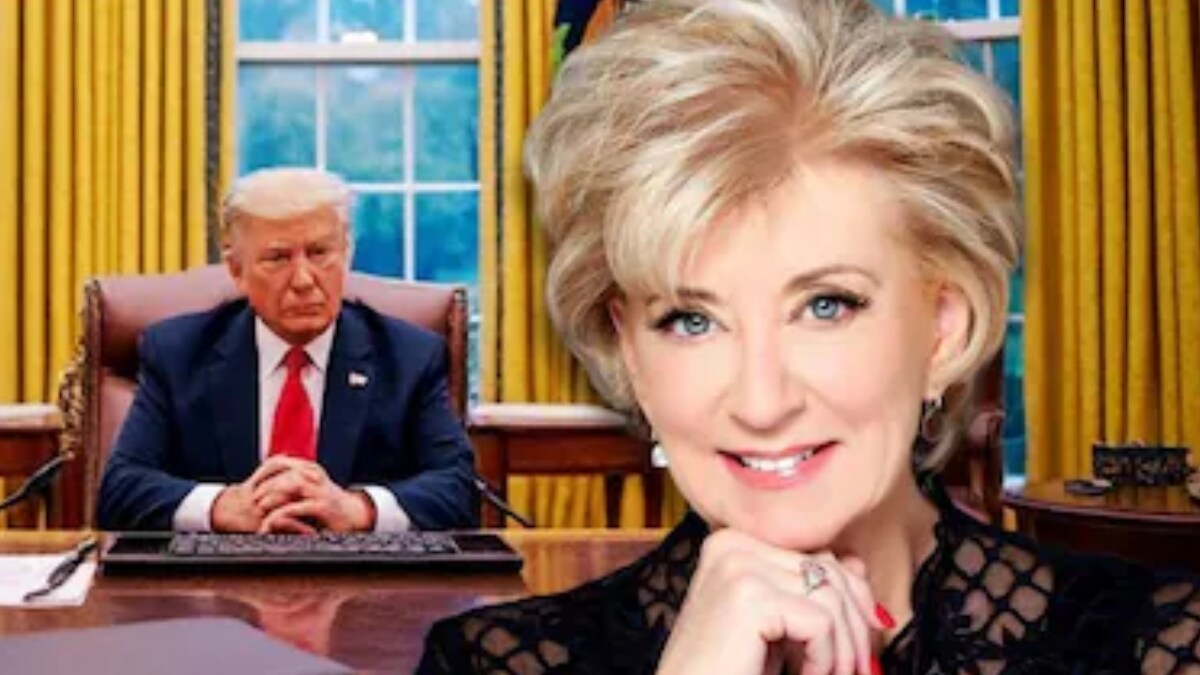
Rumours about the closure of the US Department of Education under Donald Trump’s administration have gained traction. Throughout his campaign, Trump criticized the department, calling it a ‘radical bureaucracy’ that meddled in American families’ affairs. Now, with Linda McMahon, former WWE CEO, potentially at the helm of the department, the American education system may face major changes.
Why Does Trump Want to Shut It Down?
Donald Trump believes education should be governed by states rather than the federal government. He argues that decentralising control will improve outcomes. Trump has often highlighted the inefficiency of the current system, noting that despite significant spending, American students underperform compared to peers globally. His vision is to reduce federal influence over curricula and school policies, placing these responsibilities with state governments.
Trump has also expressed concern over what he calls Marxist philosophy being taught in schools and wants universities to embrace patriotic values. He plans to penalise institutions that engage in racially discriminatory practices and promote reforms that make higher education more affordable and accessible. Trump’s educational agenda emphasizes Western Civilization, traditional American values, and aligning university degrees with job opportunities.
Impact of Shutting Down the Department
The US Department of Education plays a crucial role in education policy and financing, particularly through its Federal Student Loan Programme. If the department closes, decisions on education policies will shift entirely to state and local governments. This could lead to inconsistent standards and reduced federal oversight.
The department also sets guidelines for colleges and universities, ensuring equity and compliance. Its closure could leave gaps in regulating and standardizing education across states.
Challenges in Closing the Department
Eliminating the Department of Education is a daunting task. It requires legislation passed by Congress and approval by at least 60 Senate votes. Trump will need bipartisan support to achieve this goal, making the process complex and uncertain.
While Trump’s proposed reforms aim to improve education access and outcomes, the impact on students remains a topic of debate, with significant implications for the future of American education.