
What are the primary methods used in Pcb assembly companies?
primary methods used in Pcb assembly companies
PCB assembly companies utilize a variety of methods to assemble electronic components onto printed circuit boards (PCBs) with precision and efficiency. These methods encompass a range of techniques and technologies, each suited to different types of components, production volumes, and quality requirements. Understanding the primary methods used in PCB assembly sheds light on the diverse approaches employed by manufacturers to meet the demands of the electronics industry.
One of the primary methods used in PCB assembly is surface mount technology (SMT). SMT involves mounting electronic components directly onto the surface of the PCB, as opposed to through-hole components that are inserted into pre-drilled holes on the board. SMT components are typically smaller and lighter than through-hole components, making them ideal for compact and lightweight electronic devices. SMT assembly is often automated using pick-and-place machines, which precisely position components onto the PCB before soldering them in place using techniques such as reflow soldering.
Another common method used in pcb assembly companies is through-hole assembly. Through-hole components have leads that are inserted into pre-drilled holes on the PCB and then soldered to the opposite side of the board. Through-hole assembly is well-suited for components that require extra mechanical support or higher power handling capabilities. While through-hole assembly is generally less common than SMT assembly, it is still widely used for certain applications, particularly in industries such as aerospace and automotive, where reliability is paramount.
What are the primary methods used in Pcb assembly companies?
In addition to SMT and through-hole assembly, PCB assembly companies may also employ mixed assembly techniques, which combine both SMT and through-hole components on the same board. Mixed assembly allows manufacturers to leverage the advantages of each assembly method while accommodating the specific requirements of the electronic device being produced. For example, SMT components may be used for smaller, more densely populated areas of the board, while through-hole components are used for larger, high-power components or connectors.
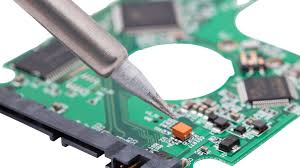
Hand soldering is another method commonly used in PCB assembly, particularly for low-volume production or specialized components that cannot be easily assembled using automated machinery. Skilled technicians use soldering irons and other hand tools to manually solder components onto the PCB, ensuring accuracy and reliability. Hand soldering requires precision and attention to detail to avoid damage to components or the PCB itself.
Furthermore, PCB assembly companies may utilize advanced inspection techniques to verify the quality and integrity of assembled PCBs. Automated optical inspection (AOI) systems use cameras and image processing algorithms to detect defects such as missing components, misaligned components, or soldering defects. X-ray inspection systems allow manufacturers to inspect the internal structures of PCB assemblies, ensuring the integrity of solder joints and the absence of hidden defects.
In conclusion, PCB assembly companies employ a variety of methods to assemble electronic components onto printed circuit boards (PCBs) with precision and efficiency. These methods include surface mount technology (SMT), through-hole assembly, mixed assembly techniques, hand soldering, and advanced inspection techniques. By leveraging the strengths of each method and employing state-of-the-art equipment and expertise, PCB assembly companies are able to meet the diverse needs of the electronics industry and deliver high-quality products to market.