
What factors influence the cost of manufacturing printed circuit board assembly?
cost of manufacturing printed circuit board assembly
Printed Circuit Board Assembly (PCBA) is a critical process in electronics manufacturing, but the cost of producing PCB assemblies can vary significantly depending on various factors. Understanding these factors is essential for manufacturers and designers to optimize costs while maintaining quality and reliability. Let’s explore some of the key factors that influence the cost of manufacturing Printed Circuit Board Assembly.
Complexity of the PCB Design: The complexity of the printed circuit board assembly design has a significant impact on manufacturing costs. PCBs with intricate layouts, dense component placement, fine-pitch components, and multiple layers require more time and resources to manufacture, increasing production costs. Simplifying the design, reducing the number of layers, and minimizing component density can help lower manufacturing costs without compromising functionality.
Component Selection and Availability: The choice of electronic components used in the PCB assembly can greatly influence manufacturing costs. Components with high specifications, specialized features, or brand recognition tend to be more expensive than standard off-the-shelf components. Additionally, component availability and lead times can impact production costs, especially for components with long lead times or limited availability, which may require additional procurement efforts or expedited shipping.
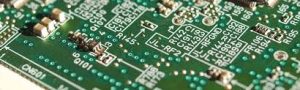
What factors influence the cost of manufacturing printed circuit board assembly?
Assembly Process and Techniques: The assembly process and techniques used in PCB manufacturing can affect costs significantly. Automated assembly techniques such as surface mount technology (SMT) are generally more cost-effective than manual assembly methods, as they offer higher throughput and lower labor costs. However, certain assembly processes, such as through-hole technology (THT) or selective soldering, may be necessary for specific components or applications, adding to manufacturing costs.
Materials and Substrate: The choice of materials and substrate used in PCB manufacturing can impact production costs. High-quality materials such as FR-4 substrate and copper foil are essential for ensuring the reliability and performance of the PCB assembly but may come at a higher cost. Additionally, specialized materials such as high-temperature solder masks or conductive adhesives may be required for specific applications, adding to material costs.
PCB Size and Quantity: The size and quantity of PCBs being produced also influence manufacturing costs. Larger PCBs require more materials and longer production times, leading to higher costs per unit. Similarly, producing smaller quantities of PCBs may result in higher per-unit costs due to setup and tooling expenses. Economies of scale can be achieved by producing larger quantities of PCBs, spreading fixed costs over a larger production run and reducing the cost per unit.
Testing and Quality Control: Testing and quality control are essential steps in PCB manufacturing to ensure the reliability and functionality of the final product. However, implementing comprehensive testing procedures, such as automated optical inspection (AOI) or in-circuit testing (ICT), can add to manufacturing costs. While investing in quality control measures is crucial for preventing defects and ensuring customer satisfaction, manufacturers must balance the cost of testing with the benefits of improved product quality and reliability.
Lead Time and Production Schedule: Lead time and production schedule requirements can also impact manufacturing costs. Rush orders or expedited production schedules may incur additional costs, such as overtime labor, rush shipping fees, or premium material costs. Conversely, longer lead times and flexible production schedules allow manufacturers to optimize production efficiency and reduce costs by scheduling production during off-peak periods or consolidating orders.
In conclusion, several factors influence the cost of manufacturing Printed Circuit Board Assembly, including the complexity of the PCB design, component selection and availability, assembly process and techniques, materials and substrate, PCB size and quantity, testing and quality control, and lead time and production schedule requirements. By carefully considering these factors and implementing cost-saving measures where possible, manufacturers can optimize production costs while delivering high-quality PCB assemblies that meet the demands of their customers and the market.